
Why College Tennis Coaches Are Better for Your Kid
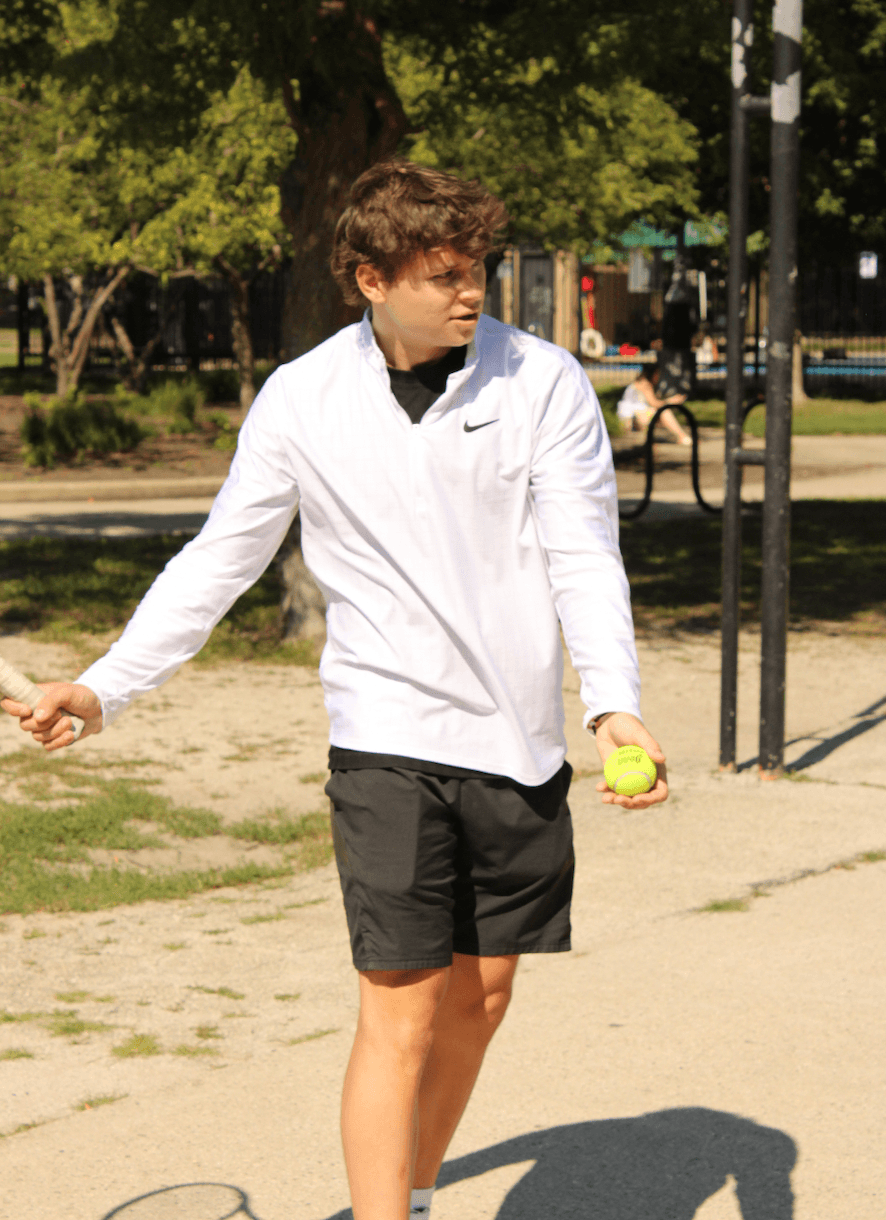
When you are looking for a tennis coach for your kid, the best option is not always the person with the longest list of credentials or the most expensive hourly rate. It's the college student who actually remembers what it felt like to be learning the game.
That is the difference between a tennis coach and a tennis teacher. A coach cares that your kid gets better. A teacher delivers a lesson and moves to the next client.
Why college coaches hit different
College players have real competitive experience. They played the game hard enough to earn a college spot, which means they understand pacing, footwork, and strategy from the inside. They are not coaching from memory of their high school days or from a certification program. They are coaching from this season's matches.
Stephen is a senior at DePaul who has been playing tennis his whole life. That means when he shows your kid how to move, how to recover between points, or how to stay calm under pressure, he is not reading from a manual. He learned it the hard way, on courts that matter, which is exactly what your kid needs to see.
He is also flexible. High school coaches have team obligations. Pros have set availability windows. College students schedule around their classes, which usually means early mornings, late afternoons, weekends, and school breaks all becoming open windows. For a family in Chicago trying to fit lessons around work and school, that flexibility changes everything.
They also charge less. A certified pro coach in the Chicago area runs 50 to 100 dollars per hour or more. A college player with real credentials charges 20 to 40 dollars per hour, which is the difference between a couple lessons a month and a real training routine.
What separates a good college coach from a random player with a racket
Not every college student who plays tennis is a good teacher. The good ones have three things in common.
They teach the same way they were taught. If they learned from a coach who broke things down into steps, they teach that way. If they played in a competitive environment, they know how to keep a kid calm and focused. Experience transfers.
They care about the student's goals, not just their hourly rate. A good coach asks what the kid is working toward. Competitive play, school team tryouts, just enjoying the game, or building confidence. Stephen asks this question on the first lesson, and the lesson plan changes based on the answer.
They measure progress. Proper form, serve consistency, court movement, match strategy. A young player should know what they worked on last week and what they are working toward next. That is how a lesson becomes training.
Why families choose college coaches over the alternatives
Cost is one reason. Flexibility is another. But the real one is this: a college student coach is someone your kid can actually relate to. Not an adult who has been coaching for twenty years and runs through the same drills with every student. Not a high school player who might not take it seriously. Someone who is a real player and a real student, which is something your kid might actually want to become.
If your son or daughter plays tennis or wants to learn, you can see which students take sports coaching, or start with how a booking works.